
Body Language: How Nonverbal Cues Affect Communication
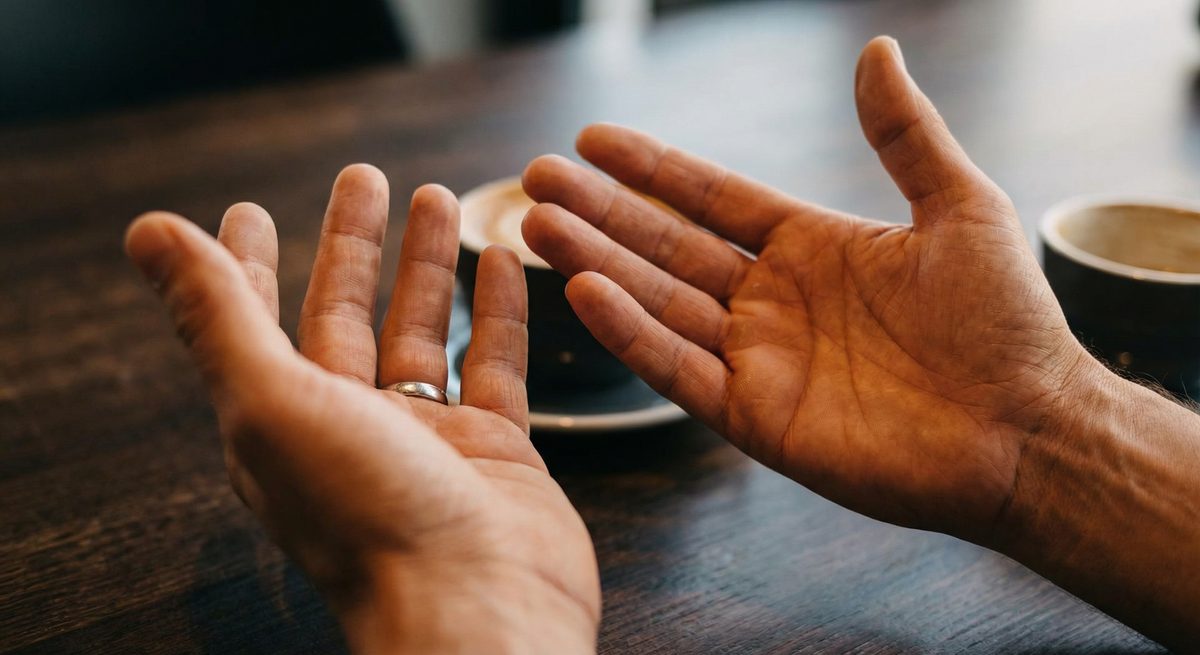
What Nonverbal Communication Is and Why It's More Important Than Words
Nonverbal communication is the transmission of information without the use of words, through facial expressions, gestures, posture, eye contact, tone of voice, and even the distance between conversation partners. Studies show that during face-to-face interaction, the majority of information is conveyed through nonverbal channels, while words themselves account for only a small fraction. This happens because body language is a much older and more subconscious method of communication that we often do not control. When we say one thing but our body signals another, people tend to believe the nonverbal cues because they are harder to fake. For example, if you say you are happy to see someone, but at the same time cross your arms over your chest and look away, your partner will sense the falsehood. Understanding the basics of nonverbal communication allows you not only to better "read" other people, sensing their true intentions and emotions, but also to consciously manage your own body to create the right impression and build more trusting relationships.
Eye Contact: How to Look at Your Conversation Partner Properly
Eye contact is one of the most powerful tools of nonverbal communication. It demonstrates your interest, confidence, and openness. When you look a person in the eye, you are essentially saying, "I am here, I am listening to you, you are important to me." However, finding the right balance is crucial, as an overly intense, unblinking stare can be perceived as aggression or an attempt to dominate. On the other hand, constantly avoiding eye contact is often interpreted as insecurity, shyness, or even insincerity. Maintaining eye contact for about 60-70% of the conversation time is considered optimal. Try looking at an imaginary triangle between the speaker's eyes and mouth — it looks natural and does not cause discomfort. While listening, eye contact should be more sustained than while speaking. When you look away to ponder a thought, try to look to the side or upward, not down, since looking down is often associated with insecurity or a feeling of guilt.
Posture and Gestures: What They Reveal About Your Confidence
Your posture and gestures can tell a lot about you before you even utter your first word. A straight back, squared shoulders, and a raised head project self-confidence, energy, and a readiness to interact. In contrast, a slouched back and drooping shoulders often indicate fatigue, insecurity, or a desire to go unnoticed. Gestures also play an important role: open gestures (such as exposed palms) demonstrate honesty and friendliness, whereas closed postures (crossed arms or legs) create a barrier between you and your partner, signaling defensiveness or disagreement. Use gestures to emphasize your words, but avoid movements that are too abrupt or chaotic, which can be distracting or annoying. Interestingly, the connection between body and mind goes both ways: not only do your emotions affect your posture, but consciously adopting a more confident posture can also help you feel stronger and calmer in a stressful situation.
Facial Expressions and Emotions: How to Read People's Faces
A person's face is a true mirror of their emotions. Facial expressions can convey the subtlest shades of feeling: from genuine joy to hidden annoyance. By learning to read microexpressions — rapid, involuntary facial movements lasting fractions of a second — you will be able to better understand your partner's true reactions. For example, a genuine smile (the so-called Duchenne smile) is always accompanied by the appearance of wrinkles around the eyes, whereas a fake smile usually involves only the muscles around the mouth. Pay attention to the movements of eyebrows, lips, and the tension of the jaw muscles. However, it's important to remember that facial expressions should be evaluated in the context of other nonverbal cues and the situation itself. Furrowed brows can indicate not only anger but also deep concentration. Also, try to control your own facial expressions so they match your words. A friendly expression and a slight smile are universal keys that help win people over and create a positive atmosphere for communication.
How to Align Your Body Language with Your Words for Greater Persuasiveness
You can achieve maximum effectiveness in communication when your words, tone of voice, and body language work in unison, conveying the exact same message. This is called congruence. When you are congruent, you appear sincere, persuasive, and inspire trust. If there is dissonance (for example, you talk about your confidence in a project but nervously drum your fingers and avoid eye contact), your partner will subconsciously sense a catch and likely won't believe your words. To achieve alignment, start with self-awareness. Pay attention to your body during a conversation: are your shoulders tense? Does your tone of voice match the content of what you're saying? Practice in front of a mirror or record yourself on video to see your habits from the outside. Try to be genuinely engaged in what you are talking about, as real emotions naturally reflect in the appropriate body language. The alignment of verbal and nonverbal signals will make you a charismatic and influential communicator.